The Scalp Cooling Registry

The Largest Real-World Multi-Centre Analysis of Determinants for Scalp Cooling Efficacy
Download PublicationDownload BrochureDownload Whitepaper

What is the Scalp Cooling Registry?

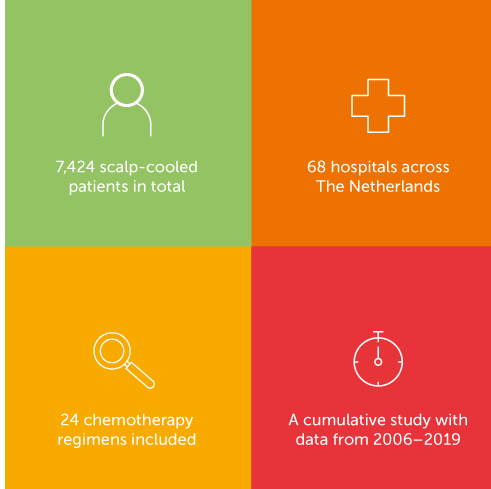
The Scalp Cooling Registry stands as the largest real-world, multicentre study focused on identifying the determinants of scalp cooling efficacy. Spanning over thirteen years (2006-19), this extensive registry includes data from 7,424 patients who underwent scalp cooling across 68 hospitals in The Netherlands. By examining patient outcomes across 24 different chemotherapy regimens, the study aims to provide valuable insights into the determinants that affect efficacy of scalp cooling to mitigate chemotherapy-induced alopecia (CIA).

To date, it is the best snapshot we have of scalp cooling in the real world and a significant number of patients from this study used the Paxman Scalp Cooling System.

Read a summary of the Scalp Cooling Registry here:

Methods & Data Collection

All patients eligible for scalp cooling during the time of the three cohorts were asked to participate regardless of whether they had previously received treatment for CIA or not.

 In order to thoroughly understand the factors influencing scalp cooling success, data was collected from both nurses and patients via questionnaires for a wide range of variables to assess.

Assessed Variables

Demographics

Age, gender, cancer type and treatment setting

Chemotherapy details

Regimens, doses and infusion times

Medical
background

Presence of liver metastases, previous chemotherapy, previous hair loss or scalp cooling

Hair
characteristics

Hair length, density, ethnic hair type, any prior chemical manipulation

Scalp cooling protocols

Pre- and post-infusion scalp cooling times, hair dampening practices, tolerability

The latest cohort (2013-2019) included additional information

  • Anthropometric characteristics (height and weight)
  • Lifestyle tendencies
  • Pre-treatment greying, natural shedding patterns, hair colour and potential technical problems with the scalp cooling machine
  • Documenting changes in growth, texture, colour and condition of hair, barriers in access to scalp cooling, rating the expertise of scalp cooling provided by the nursing staff and progressive evaluation of satisfaction and insecurity about the result to date.

Evaluation Criteria

01 Patient-reported head covering usage

Patient-reported preferences to wear​ a head covering (a wig or scarf) during their last reported scalp cooling session.​

A head covering is commonly used as the most important outcome measure of efficacy because it represents perceived satisfaction with scalp cooling.

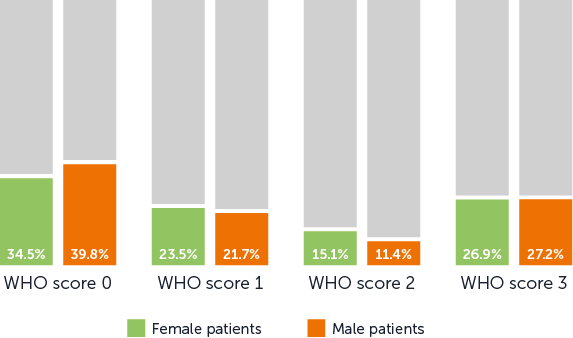
02 WHO Alopecia Scores*​

Plus, the World Health Organisation (WHO) alopecia scores were used to gauge the extent of hair retention. ​

WHO score ranges from 0 -3

1

None

2

Minimal

3

Severe

4

Total alopecia

Patient Statistics

7424

Patients
Average​ patient
age​

55

Aged ranged
from

18-98

87%

Females

73%

Breast cancer

77%

Chemo naive

61%

(Neo-) adjuvant
68 Locations
24 regimens​

Analysis and Results

The analysis of the Scalp Cooling Registry data yielded significant findings that shed light on the effectiveness of scalp cooling and the factors influencing its success.
View the results by sliding through with the arrows
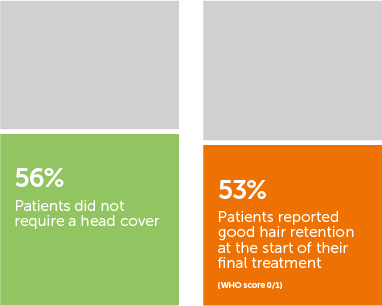
  • The Scalp Cooling Registry found the following results on overall efficacy

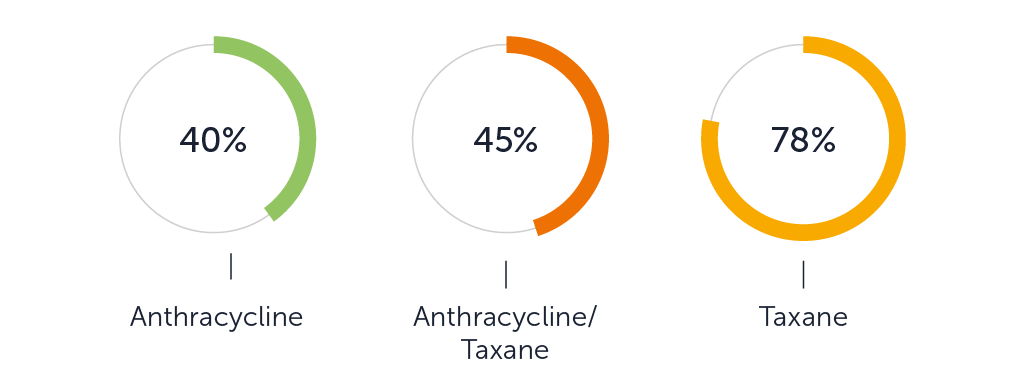
  • Taxane regimens presented highest levels of efficacy

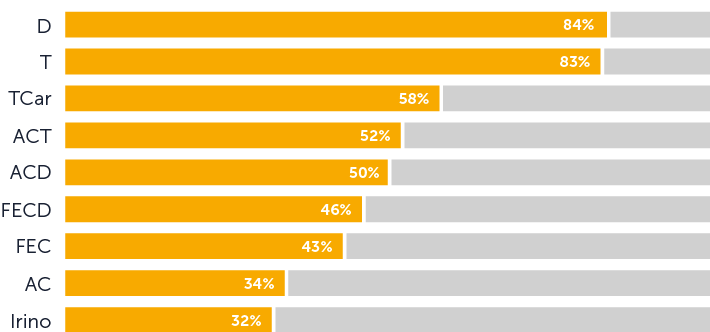
  • Percentage no headcover use by
    chemotherapy regimen for all cancer types

  • Severity of Hair Loss*

    *Excluding breast, gynaecological and prostate cancers
  • Premature cessation of scalp cooling*

    *Excluding breast, gynaecological and prostate cancers
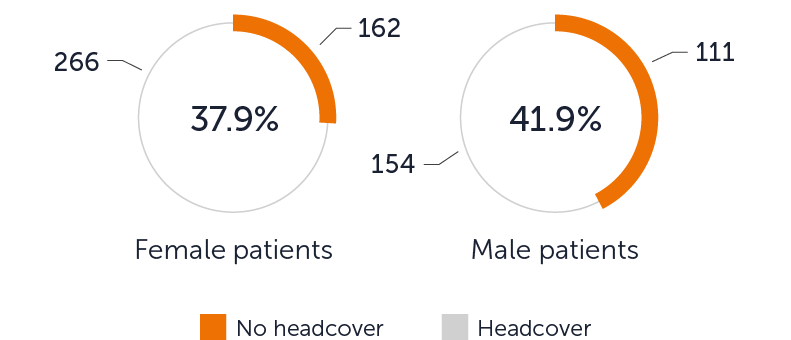
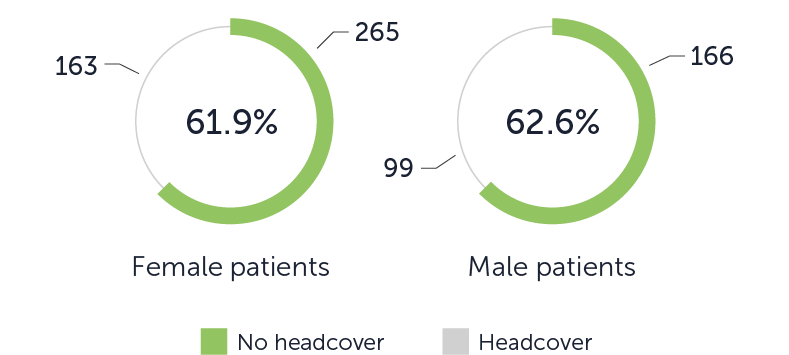
  • Use of a headcover*

    *Excluding breast, gynaecological and prostate cancers
  • Gender did not play a significant role in the outcomes of scalp cooling success, tolerability or premature cessation of scalp cooling.

Determinant Outcomes

Smoking and drinking habits did not have a significant impact on head covering use or the WHO score when corrected for gender, age, cancer type, or chemotherapy regimen.
The study did not identify any other patient characteristic or lifestyle factor as a generic determinant influencing scalp cooling success.

Conclusions and Implications for Practice

Efficacy

Scalp cooling is effective for the majority of patients with no immediate need for changes in current practice.

Gender and Equality

Both male and female patients benefit equally from scalp cooling. Scalp cooling should be offered to males.

Chemotherapy regimen

The type of chemotherapy regimen is a crucial determinant of scalp cooling success, yet many influencing factors remain unidentified.

Continuation of treatment

Patients should be encouraged to continue scalp cooling, even if the result is not satisfactory; in particular during AC.

Unknown determinants

Scalp cooling success isn’t determined by specific patient, cancer, or treatment characteristics. Variability in outcomes among patients on the same regimen suggests there are still unknown factors, highlighting the need for further research.

Implication for practice

Medical personnel involved in patient care need to be aware that males are also eligible for and benefit from scalp cooling. In addition, comprehensive standardized registration with more extensive outcome evaluation of hair loss and recovery is essential for long-term international protocol optimization and revealing the true determinants of scalp cooling efficacy to accelerate advances
for individual patient care.

The Scalp Cooling Outcomes Calculator

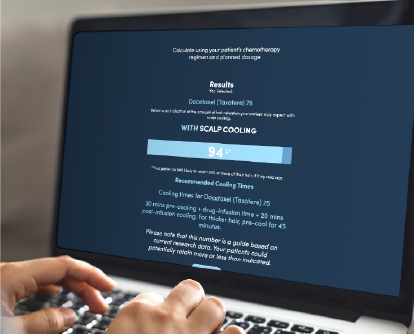
The data from the Scalp Cooling Registry also serves as the foundation for Paxman’s Scalp Cooling Outcomes Calculator, an online tool that allows both clinicians and patients to estimate the likelihood of retaining half of their hair based on their chemotherapy regimen and dosage. This tool, grounded in the experiences of 7,424 patients, helps set realistic expectations for scalp cooling outcomes.
Use Calculator

Calling for an International Registry

An international scalp cooling registry would help to more accurately determine discrepancies in scalp cooling between countries and how country-specific factors influence outcomes, such as: availability, accessibility and affordability. The Scalp Cooling Registry also acknowledges the lack of hair type and ethnic representation within the study.​

An international scalp cooling registry would increase the diversity of the cohort, addressing disparities and enhancing our understanding of scalp cooling across different healthcare settings.​

It would also aim to help increase scalp cooling efficacy, improve clinical reviews, educate providers and further the understanding and recognition of the impact of hair loss for the patient.​
Sign up 
Toni S Brook, Tanja Seetsen, Marcus W Dercksen, Annemarie van Riel, Veerle A Derleyn, Johan van den Bosch, Johannes W R Nortier, Andrew Collett, Nikolas T Georgopoulos, Jarek Bryk, Wim P M Breed, Corina J G Van Den Hurk. Results of the Dutch scalp cooling registry in 7424 patients: analysis of determinants for scalp cooling efficacy, The Oncologist. 2024;, oyae116, https://doi.org/10.1093/oncolo/oyae116